
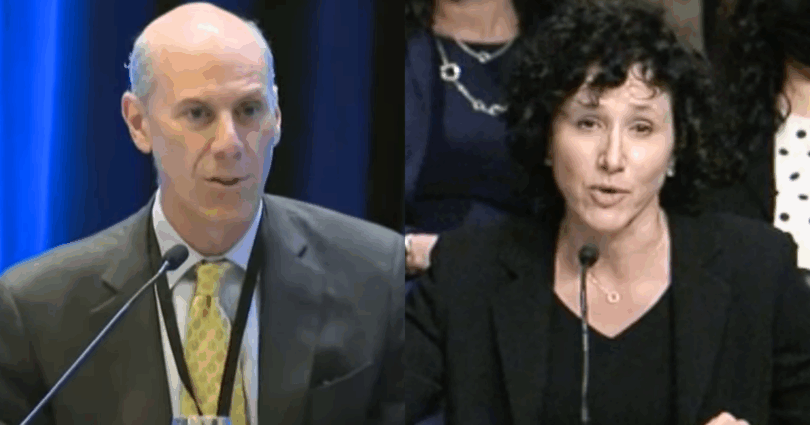
Two Federal Judges Decline Senate Testimony Amid Scrutiny Over Trump-Era Rulings on Immigration and National Security
Two federal judges with a history of rulings affecting President Trump’s policies declined invitations to testify before the Senate Judiciary Committee at a hearing titled “Impeachment: Holding Rogue Judges Accountable,” which was organized to examine perceived judicial overreach in matters of immigration, national security and executive authority.
U.S. District Judge James Boasberg and U.S. District Judge Deborah Boardman cited standard judicial practice for their absence.
Federal judges rarely testify before Congress due to lifetime tenure and broad judicial immunity, with formal oversight largely limited to impeachment or serious ethics investigations.
Congressional Research Service reports that such formal inquiries are uncommon and typically arise only in extraordinary circumstances.
Boasberg, an Obama appointee, previously blocked Trump administration efforts to deport Venezuelan nationals under the wartime Alien Enemies Act, citing due process concerns.
The individuals involved were linked to the Venezuelan gang Tren de Aragua, and his ruling prevented expedited deportations.
Boasberg also oversaw aspects of the Arctic Frost FBI investigation, authorizing subpoenas and surveillance of communications for Republican senators and lawmakers probing alleged 2020 election irregularities.
Analysts note that his court orders demonstrate the judiciary’s critical role in supervising complex and politically sensitive federal investigations.
Some commentators have raised potential legal questions surrounding Boasberg’s rulings.
Investigative analyst Mike Benz suggested possible charges under 18 U.S.C. § 242 related to deprivation of rights under color of law, although no formal proceedings have been initiated, and no official investigations have been reported.
Boardman, a Maryland federal judge, blocked the Trump administration’s executive order seeking to limit birthright citizenship, issuing a nationwide injunction in August 2025, The Gateway Pundit reports.
DOJ Solicitor General John Sauer told the Supreme Court that the ruling “confers, without lawful justification, the privilege of American citizenship on hundreds of thousands of unqualified people,” highlighting concerns about border security.
The case reflects longstanding debates over birthright citizenship policies and executive authority in immigration enforcement.
Former DOJ official Tom Dupree noted the judges’ refusal to testify aligns with historical precedent.
“I can promise you that the last thing in the world they would want to do… is answering questions under oath from United States Senators,” he said.
The absences come amid heightened political scrutiny, as immigration and border enforcement remain central issues in the 2026 midterm elections.
Recent Reuters/Ipsos polling indicates that immigration is a key motivator for Republican voter turnout, increasing attention on federal judges whose rulings influence national policy.
Legal experts observe that these cases exemplify ongoing tension between the judiciary and executive branch policies.
Clashes between Trump-era initiatives and federal courts have intensified since 2024, prompting Republican lawmakers to advocate for stronger oversight and potential structural reforms, including revisions to the process for judicial appointments and congressional oversight mechanisms.
While the judges’ rulings have sparked debate, their refusal to appear reflects consistent historical norms regarding congressional interaction with the judiciary.
By documenting prior rulings, political context and limits of oversight, the hearing—and the absence of testimony—underscores broader questions about the balance of powers, judicial accountability, and the influence of federal courts on immigration and national security policy.
These developments highlight the judiciary’s significant role in shaping and reviewing executive action, demonstrating that lifetime tenure and procedural safeguards can limit congressional influence while ensuring courts independently adjudicate complex legal and policy issues, even amid politically charged circumstances.
WATCH:
Continue Scrolling for the Comments
Leave a Comment