
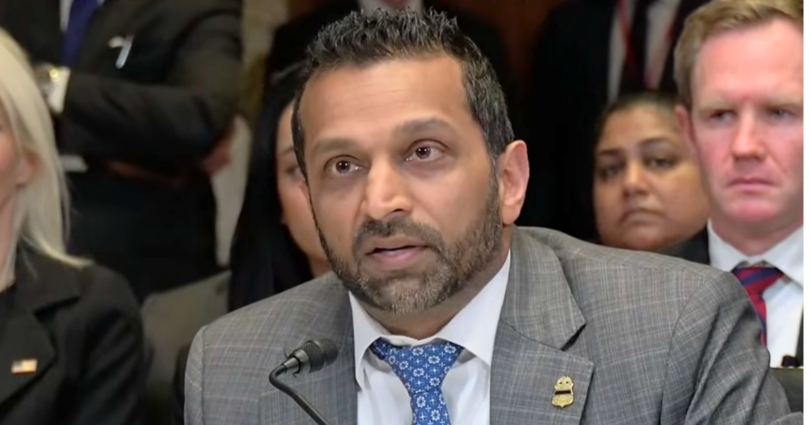
FBI Fires Five Analysts Over Controversial 2023 Memo as Patel Overhauls FBI
The firing of five FBI analysts tied to a controversial 2023 intelligence memo has intensified scrutiny over sweeping personnel changes inside the bureau under FBI Director Kash Patel, raising new questions about how far-reaching internal restructuring has become and whether it signals a broader shift in agency priorities.
The dismissals come amid ongoing debate over politically sensitive intelligence work and internal accountability standards within federal law enforcement.
At the center of the controversy is a January 2023 FBI intelligence memo produced by the bureau’s Richmond field office that examined potential links between certain ideological religious movements and racially or ethnically motivated violent extremism.
The memo became a political flashpoint after it was leaked, with Republican lawmakers arguing it inappropriately connected traditional Catholic beliefs to extremist activity.
Internal reviews later criticized aspects of the analysis, citing failures in analytic tradecraft and judgment, while also concluding there was no evidence of intentional misconduct or directives to target religious groups.
Attorney David Laufman, representing several of the dismissed employees, said the firings included four intelligence analysts and one supervisory analyst, calling the decision “manifestly unjust” and unsupported by the facts.
According to the Associated Press, he argued the analysts had been disciplined despite long records of public service and professional work. The FBI has declined to comment on the personnel actions.
The memo itself has remained a recurring point of political tension since its withdrawal, with former FBI leadership under Chris Wray and Justice Department (DOJ) officials under Merrick Garland acknowledging concerns about its analytical approach, according to CBS News.
Officials at the time said the document was reviewed internally and removed from circulation, but the episode continued to be cited by critics as evidence of deeper institutional problems in how ideological threats were assessed within the bureau.
Oversight reviews later referenced in congressional reporting found that analysts involved in the memo failed to consistently follow established intelligence tradecraft standards, particularly in how evidence was weighed and conclusions were framed.
However, those same findings also emphasized that there was no indication of malicious intent or direction from leadership to target religious groups, reinforcing a distinction between procedural failure and intentional bias.
The latest firings are now being viewed through the broader lens of Patel’s ongoing restructuring effort, which has already included the removal of personnel tied to prior politically sensitive investigations and internal reviews.
Supporters of Patel’s approach describe it as an effort to reset internal culture and enforce stricter accountability standards, while critics argue the pace and scope of the changes risk undermining institutional independence and morale within the bureau.
That leadership backdrop has become central to how the memo-related firings are being interpreted inside Washington, where the case is seen as part of a larger struggle over how the FBI handles politically charged intelligence work.
While officials have not publicly detailed the specific reasoning behind the dismissals, the timing has fueled broader debate about whether the bureau is undergoing corrective reform or a more aggressive internal realignment under Patel’s direction.
As of now, neither the FBI nor the DOJ has released additional details on the terminations.
The situation continues to draw attention from both supporters and critics of recent bureau leadership changes, particularly as past controversies involving domestic extremism assessments remain politically sensitive.
Continue Scrolling for the Comments
Leave a Comment