
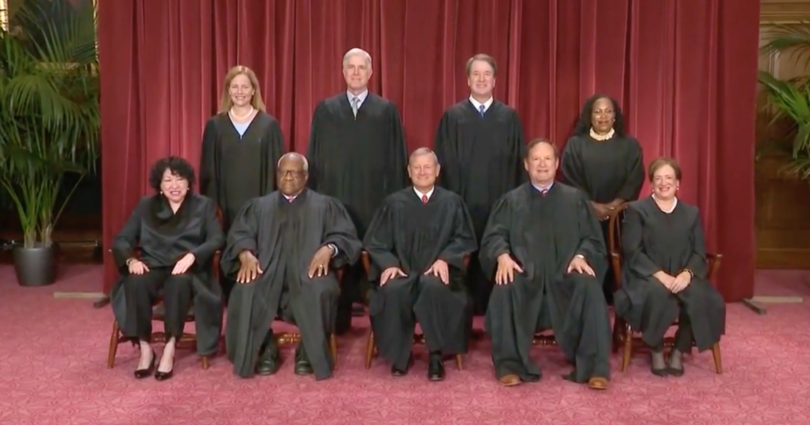
Supreme Court Justice Samuel Alito Steps Aside From Major Climate Case
The Supreme Court notified attorneys on Monday that Alito would no longer participate in Suncor Energy v. County Commissioners of Boulder County.
The court did not provide a reason for the decision.
“I am writing to inform the parties that Justice Alito has determined that he will not continue to participate in this case,” Supreme Court Clerk Scott Harris wrote in the notice.
The move comes shortly before the justices are expected to hear arguments in the closely watched dispute involving Suncor Energy and ExxonMobil.
Officials in Boulder, Colorado, sued the companies under state law, alleging they misled the public about the role fossil fuels play in climate change.
The Supreme Court agreed in February to hear the companies’ appeal.
The central legal question is whether federal law blocks state-law claims seeking damages for alleged injuries caused by interstate and international greenhouse-gas emissions.
Billions of dollars could ultimately be at stake in Boulder’s lawsuit and similar cases around the country.
Suncor and ExxonMobil argue that lawsuits seeking damages tied to global climate change should not proceed under individual state laws.
The companies have warned that allowing the cases to continue could create significant consequences for the broader energy industry.
The Trump administration has backed the companies’ position in the dispute.
The federal government filed a brief supporting the petitioners, arguing that the case raises important questions about whether the Constitution and federal environmental law preclude such state-level claims.
Alito had previously faced calls to remove himself from the dispute because of his financial holdings.
The justice does not own shares in either Suncor or ExxonMobil, according to the reporting.
However, his financial disclosures show holdings in other major oil companies, including ConocoPhillips and Phillips 66, per ABC News.
Consumer Watchdog argued that Alito could indirectly benefit from a ruling favorable to the fossil-fuel industry.
The organization had publicly urged him to step aside.
Its organizing director, Alexandra Nagy, praised Monday’s development and said the recusal should have happened earlier.
The group pointed to the Supreme Court’s ethics rules governing circumstances in which a justice has a financial interest connected to a dispute.
Alito had not initially agreed that recusal was necessary.
His decision therefore represents a notable change shortly before the court considers the case.
Alito has previously stepped aside from cases involving companies in which he owns stock.
His absence also changes the composition of the court for one of the most consequential environmental disputes on its current docket.
Eight justices will now participate unless another member of the court also recuses.
That creates the possibility of a 4-4 split.
If the justices divide evenly, the lower court ruling would ordinarily remain in place without creating a nationwide Supreme Court precedent.
The Colorado Supreme Court previously allowed Boulder’s state-law claims against the energy companies to move forward.
The dispute is being closely watched because dozens of similar climate lawsuits have been brought against fossil-fuel companies across the country.
The Supreme Court’s eventual decision could therefore affect far more than the parties directly involved.
For now, one thing is settled before arguments begin: Alito will not take part in deciding the case.
Supreme Court Justice Samuel Alito has recused himself from a major climate-change case involving two large energy companies after facing scrutiny over his investments in the oil industry.
The Supreme Court notified attorneys Monday that Alito would no longer participate in Suncor Energy v. County Commissioners of Boulder County.
The court did not provide a reason for the decision.
“I am writing to inform the parties that Justice Alito has determined that he will not continue to participate in this case,” Supreme Court Clerk Scott Harris wrote in the notice.
The move comes shortly before the justices are expected to hear arguments in the closely watched dispute involving Suncor Energy and ExxonMobil.
Officials in Boulder, Colorado, sued the companies under state law, alleging they misled the public about the role fossil fuels play in climate change.
The Supreme Court agreed in February to hear the companies’ appeal.
The central legal question is whether federal law blocks state-law claims seeking damages for alleged injuries caused by interstate and international greenhouse-gas emissions.
Billions of dollars could ultimately be at stake in Boulder’s lawsuit and similar cases around the country.
Suncor and ExxonMobil argue that lawsuits seeking damages tied to global climate change should not proceed under individual state laws.
The companies have warned that allowing the cases to continue could create significant consequences for the broader energy industry.
The Trump administration has backed the companies’ position in the dispute.
The federal government filed a brief supporting the petitioners, arguing that the case raises important questions about whether the Constitution and federal environmental law preclude such state-level claims.
Alito had previously faced calls to remove himself from the dispute because of his financial holdings.
The justice does not own shares in either Suncor or ExxonMobil, according to the reporting.
However, his financial disclosures show holdings in other major oil companies, including ConocoPhillips and Phillips 66.
Consumer Watchdog argued that Alito could indirectly benefit from a ruling favorable to the fossil-fuel industry.
The organization had publicly urged him to step aside.
Its organizing director, Alexandra Nagy, praised Monday’s development and said the recusal should have happened earlier.
The group pointed to the Supreme Court’s ethics rules governing circumstances in which a justice has a financial interest connected to a dispute.
Alito had not initially agreed that recusal was necessary.
His decision therefore represents a notable change shortly before the court considers the case.
Alito has previously stepped aside from cases involving companies in which he owns stock.
His absence also changes the composition of the court for one of the most consequential environmental disputes on its current docket.
Eight justices will now participate unless another member of the court also recuses.
That creates the possibility of a 4-4 split.
If the justices divide evenly, the lower court ruling would ordinarily remain in place without creating a nationwide Supreme Court precedent.
The Colorado Supreme Court previously allowed Boulder’s state-law claims against the energy companies to move forward.
The dispute is being closely watched because dozens of similar climate lawsuits have been brought against fossil-fuel companies across the country.
The Supreme Court’s eventual decision could therefore affect far more than the parties directly involved.
For now, one thing is settled before arguments begin: Alito will not take part in deciding the case.
Continue Scrolling for the Comments
Leave a Comment